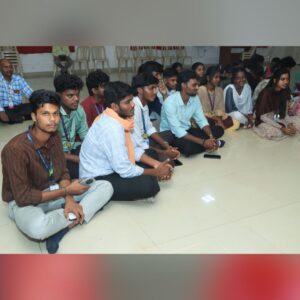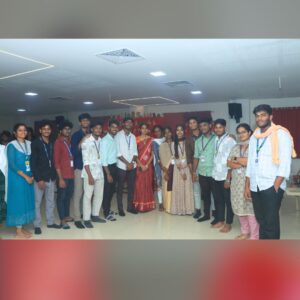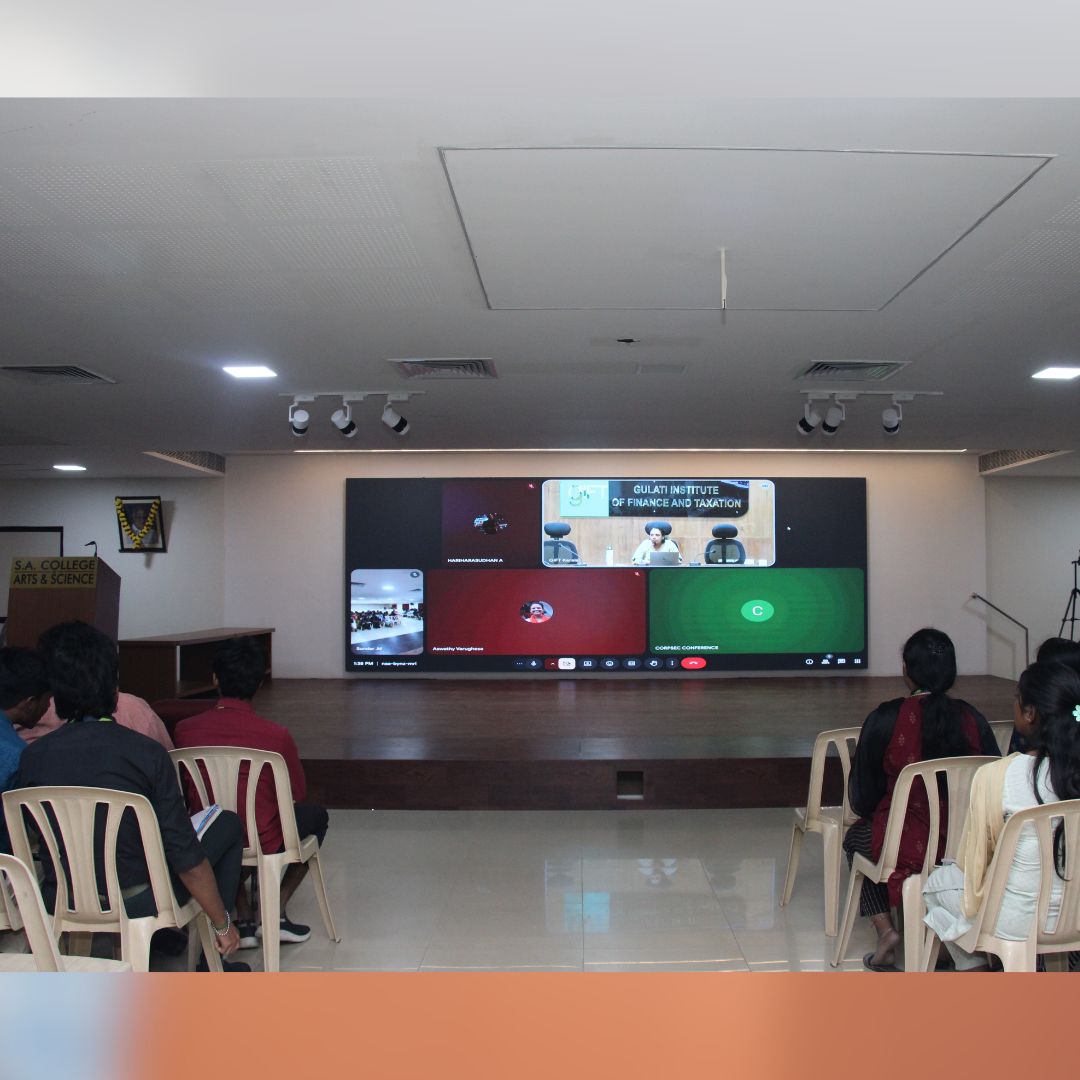
Department of Corporate Secretaryship, in collaboration with the Kerala Economic Association, organized a Mentorship Session on 24.02.2026
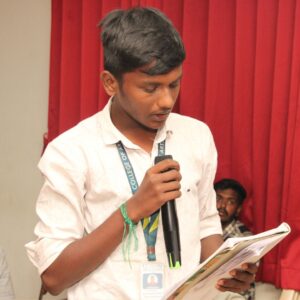
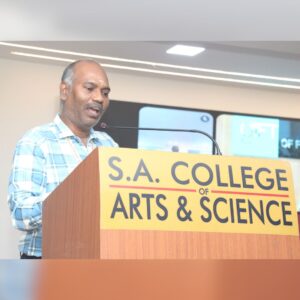
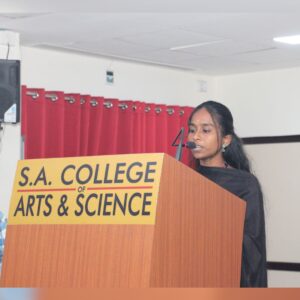
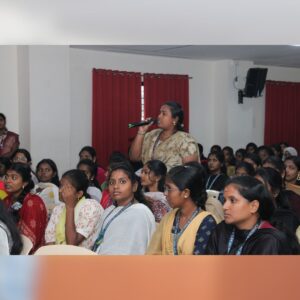
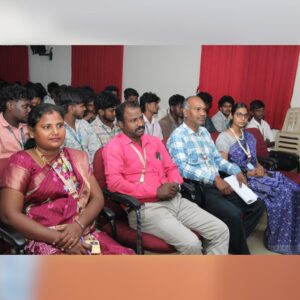
Mentorship Session on a Comprehensive Overview of the Union Budget 2026–27 On 24th February 2026, the Corporate Governance Professionals’ Association, under the aegis of the Department of Corporate Secretaryship, in collaboration with the Kerala Economic Association, organized a Mentorship Session on the topic “A Comprehensive Overview of the Union Budget 2026–27.” The session was delivered by Dr. Aswathy Rachel Varughese, Assistant Professor of Economics at the Gulati Institute of Finance and Taxation. Her research focuses on Macroeconomics, Development Economics, and Applied Econometrics, and she has published in reputed SSCI- and Scopus-indexed journals. The session was attended by 127 students. The programme was compered by Ms. Shabreen and Ms. Shalini, Assistant Public Relations Secretary. The welcome address was delivered by Ms. Nethra, Assistant Student Director. Ms. Vani, Assistant Joint Secretary, formally introduced the Chief Guest. Mr. V. Sivaprakasam delivered a brief summary of the event. The vote of thanks was proposed by Ms. Shajida, Social Media Secretary.
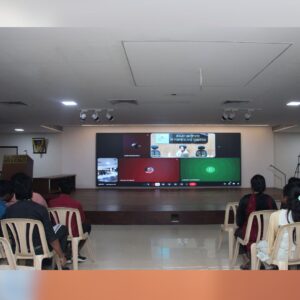
Dr. Aswathy Rachel Varughese, delivered an interactive, insightful, and highly valuable presentation in online mode. She began by mentioning that February is known as the month of the Union Budget, and it is the duty of every citizen to understand it. However, many people do not know how to read or interpret the Budget, and she emphasized that her session aimed to address this gap. She also expressed her gratitude to the organizers for arranging such an informative event. She started with an overview of her presentation, which covered the basic approach to understanding the Budget and the different categories within it. The first slide focused on macroeconomics what the macroeconomy is, why it is important, and how geopolitical factors influence it. She explained that the government is deeply concerned about controlling tariffs and reducing excessive dependence on imports. A major focus of this year’s Budget, she noted, is promoting self-reliance in key sectors. Moving on to the numerical aspects, she described the Budget as the backbone of a country. While reading the Budget, special attention must be given to the gap between revenue and expenditure. The size of the national Budget refers to the total expenditure proposed for the financial year, and it is usually presented in lakh crore or trillion rupees. She explained that government revenue is broadly classified into tax revenue and non-tax revenue. Tax revenue is further divided into direct taxes (such as income tax and corporate tax) and indirect taxes (such as GST and customs duties). Apart from these, there are capital receipts, which include borrowings and loan recoveries. Borrowings are categorized as debt-creating liabilities, whereas loan recoveries and certain other receipts are considered non-debt capital receipts. On the expenditure side, there are two major categories: revenue expenditure and capital expenditure.
Revenue expenditure includes the amount spent on running the government, administrative expenses, interest payments, and subsidies. Capital expenditure refers to money spent on building infrastructure and creating long-term assets. The gap between total revenue and total expenditure is referred to as the fiscal deficit. To bridge this gap, the government resorts to market borrowings. The fiscal deficit for the current year is estimated at ₹15.6 trillion, which is about 4.3% of the country’s GDP. GDP (Gross Domestic Product) represents the overall size and health of the economy. A manageable fiscal deficit helps maintain investor confidence, whereas an excessively high deficit can discourage investment. Under the broader concept of deficit, there are three main types: revenue deficit, fiscal deficit, and primary deficit. She clarified that gross tax revenue refers to the total tax collected from all sources, while net tax revenue is the amount retained by the central government after sharing with states. She noted that direct tax collections have increased in the current year. However, tax buoyancy the responsiveness of tax revenue growth to GDP growth has been declining in recent years, indicating the need for careful fiscal management. Non-debt receipts include funds received from sources such as dividends and surplus transfers from the Reserve Bank of India (RBI). She also explained trends in government spending. A major driving factor behind revenue expenditure is interest payments and subsidies. While interest payments have been rising due to higher borrowings, subsidies had increased significantly during the COVID-19 pandemic and have gradually reduced afterward. Providing subsidies, she emphasized, is part of the government’s social responsibility. The total capital expenditure has been significantly increased, amounting to approximately ₹12.2 lakh crore, highlighting the government’s focus on infrastructure development and long-term growth. She also discussed the cost of redistribution and its impact on fiscal planning. Finally, she explained industry-centric initiatives, detailing how budget allocations are distributed across different sectors and how these expenditures are financed. She pointed out that employment elasticity the extent to which economic growth generates employment remains a missing or underemphasized aspect of the Budget. Overall, the session provided a comprehensive and practical understanding of how to read and analyse the Budget, making a complex subject accessible and engaging for the audience.
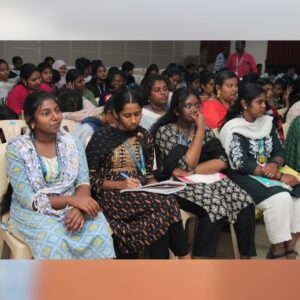

Department of B.Com (Corporate Secretaryship) of S.A. College of Arts & Science organized an industrial visit on 16.02.2026
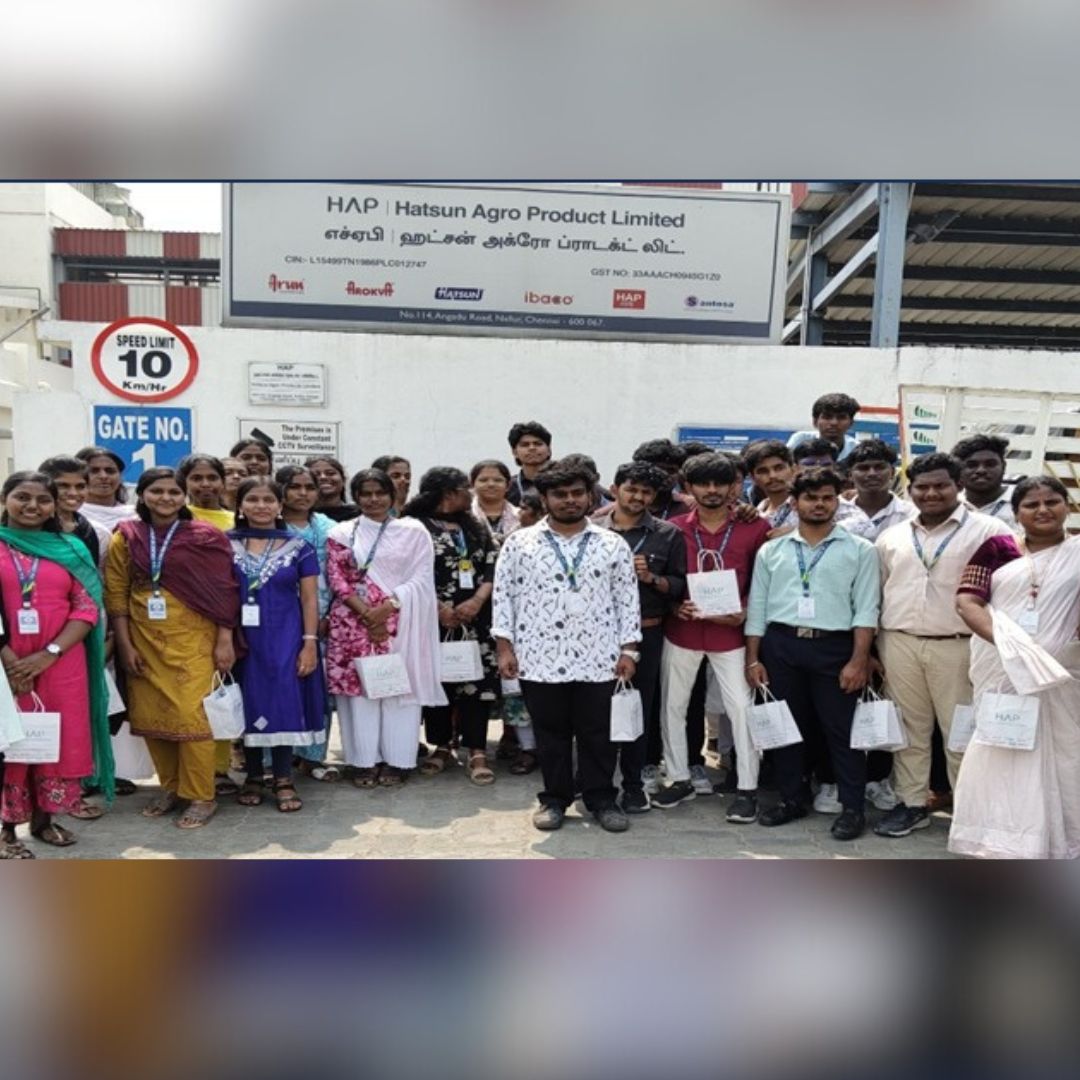
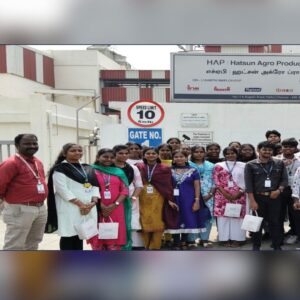
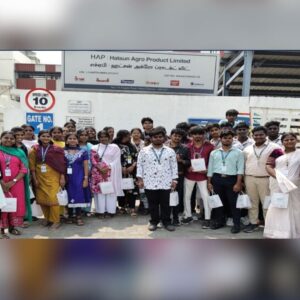
The Department of B.Com (Corporate Secretaryship) of S.A. College of Arts & Science organized an industrial visit to Hatsun Agro Product Ltd. On 16th February 2026. A total of 77 first-year students participated in the visit, accompanied by the Coordinator, Ms. D. Mathivathini, and Dr. M. Suresh. The industrial unit is systematically organized across two floors. The ground floor is designated for finished goods, while the upper floor is allocated for semi-finished goods, where all the necessary raw materials required for final production—such as cream, nuts, and other ingredients—are carefully stored and maintained under hygienic conditions. During the visit, students were thoroughly briefed on the essential safety protocols and quality standards followed by the company. Strict sanitation measures are implemented within the premises, including mandatory hair coverings, gloves, and other protective gear for workers. These practices clearly reflect the company’s strong commitment to maintaining high standards of hygiene and safety. The students were also educated about the waste disposal mechanism adopted by the organization. Edible waste is responsibly utilized as feed for pigs, demonstrating an efficient and environmentally conscious waste management system. Additionally, the frozen trays used in the production unit are washed and sanitized once every week to ensure cleanliness and product safety. The visit offered students a comprehensive understanding of the manufacturing processes, quality control measures, and technological advancements implemented at Hatsun Agro Product Ltd. All the visitors were presented with gift hampers as a token of appreciation. Overall, the industrial visit proved to be an enriching and insightful experience, effectively bridging the gap between academic learning and practical industry exposure. A sincere note of gratitude is extended to the respected Correspondent Sir, Director Mam, Principal Mam, Head of the Department, and all the faculty members for their support and for organizing this valuable industrial visit.
Department of Corporate Secretaryship organised an Entrepreneurship Development Session on 31.01.2026
From Idea to Impact: Entrepreneurship Session Inspires SACAS Students.
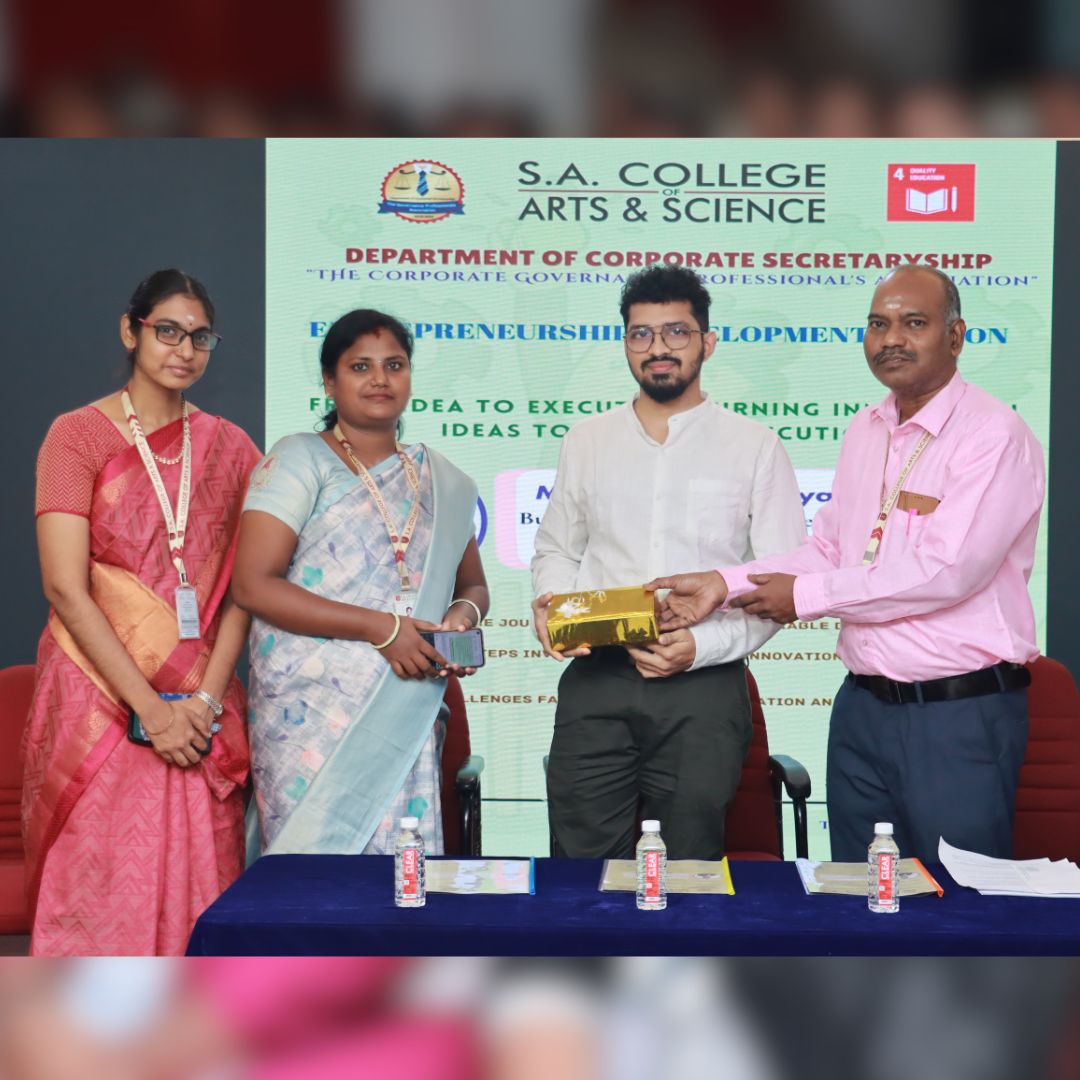
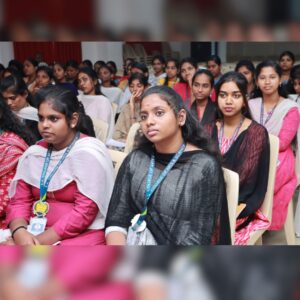
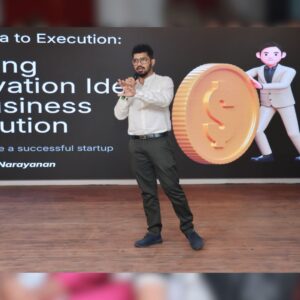
The Corporate Governance Professionals’ Association under the Department of Corporate Secretaryship organised an Entrepreneurship Development Session titled “From Idea to Execution: Turning Innovation Ideas to Business Execution” on 31 January 2026 at the SACAS Auditorium, S.A. College of Arts & Science, Thiruverakadu, Chennai. The session was held from 10:00 a.m. to 12:00 p.m. and was attended by 118 students.
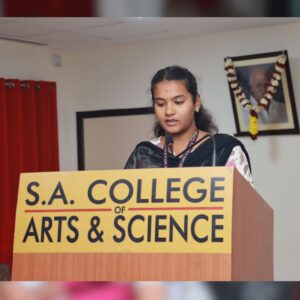
The session was led by Mr. V. Sankara Narayanan, a Business Analyst and MS Entrepreneurship student at IIT Madras. The programme was compered by Janani S and Nandhini M. Jegath Kumar S delivered the welcome address, Gayathri Priya introduced the chief guest, and Nethra delivered the vote of thanks.
The speaker explained that entrepreneurship is a learnable process that requires planning, discipline, and customer understanding. He introduced the MIT Disciplined Entrepreneurship framework and explained the difference between startups and small businesses. The session highlighted innovation, market research, and funding opportunities, motivating students to transform ideas into successful business ventures.

SASCO 2.0 Award Ceremony Celebrates Young Talent at S.A. College on 26.01.2026
SASCO 2.0 Award Ceremony Celebrates Young Talent at S.A. College.
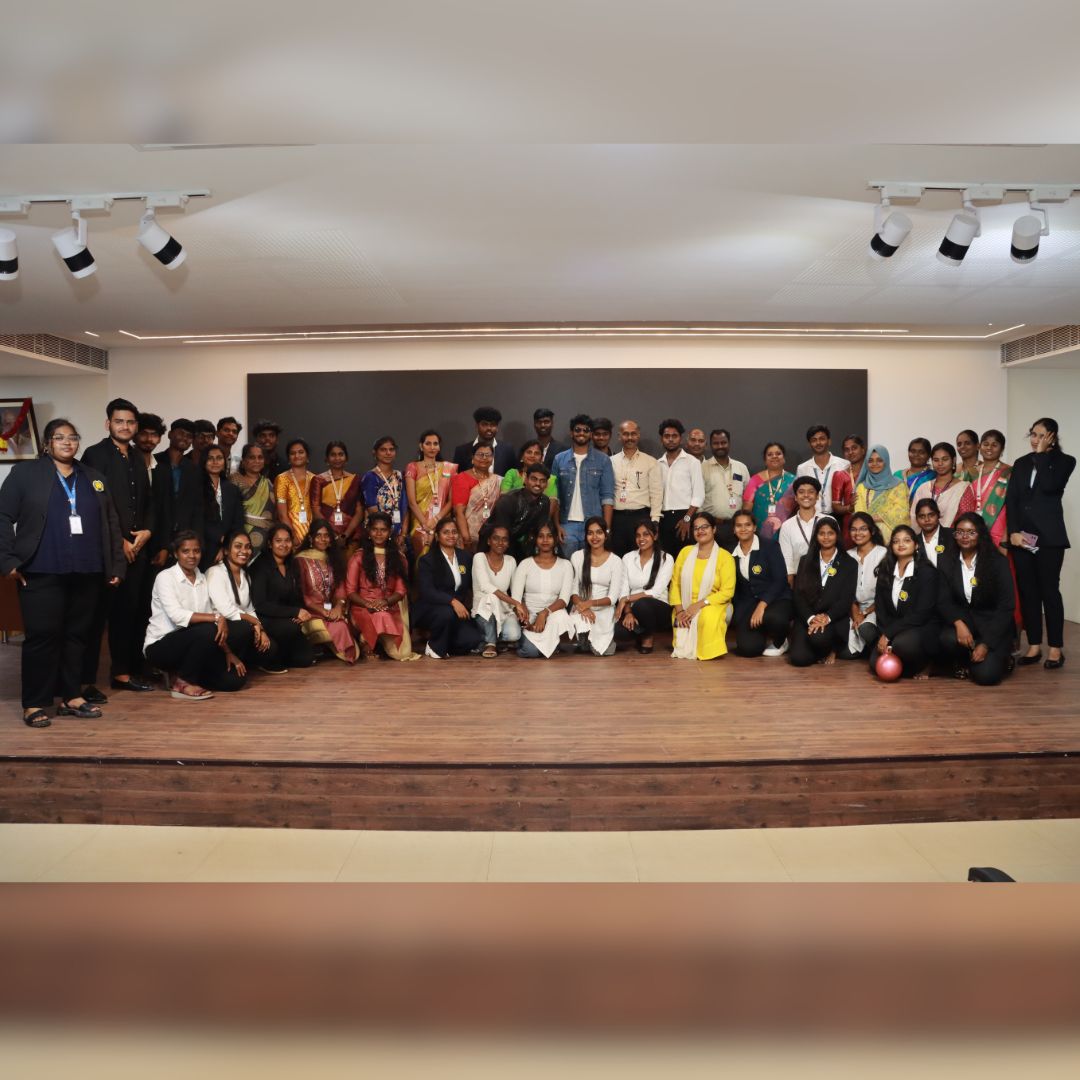
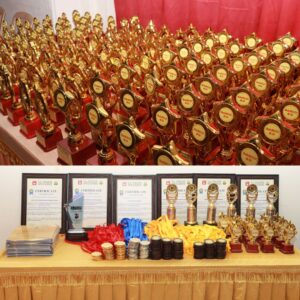
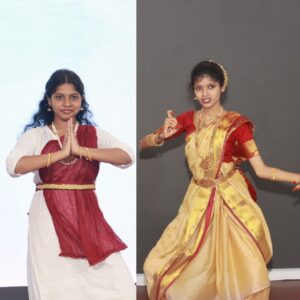
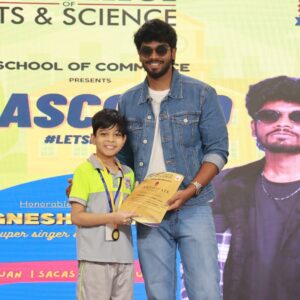
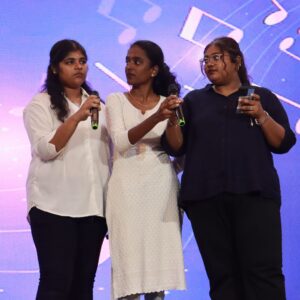
The Awards Distribution Ceremony of SASCO 2.0 (2025–2026) was successfully held on 26th January 2026 from 01:00 p.m. to 4:10 p.m. at the SACAS Auditorium, S.A. College of Arts & Science. The event was organized by the Corporate Governance Professionals, under the aegis of the Department of Corporate Secretaryship, in association with the School of Commerce, S.A. College of Arts & Science.
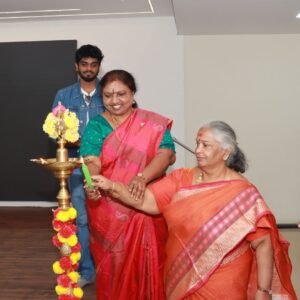
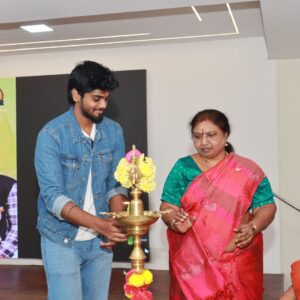
SASCO 2.0 was an inter-school event conducted through online mode, with the participation of over 1,000 students. A total of 20 competitions were organized with online registration and submission. The programme began with Tamil Thai Vazhthu and the lighting of the ceremonial lamp.
The event was graced by the Chief Guest, Mr. Vignesh Kabali, renowned playback singer and finalist of Super Singer Season 11.





Department of Corporate Secretaryship S.A. College of Arts & Science, organized a Parents’ Orientation Programme on 24.01.2026
Parents’ Orientation Programme Strengthens Student Success at SACAS.
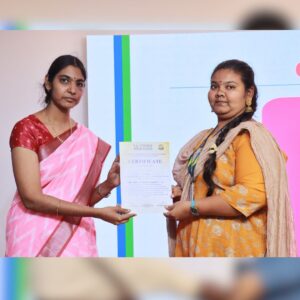
The Department of Corporate Secretaryship, S.A. College of Arts & Science, organized a Parents’ Orientation Programme on 24 January 2026 at the SACAS Auditorium to strengthen the parent–institution partnership for student success. The programme witnessed the participation of 128 parents.
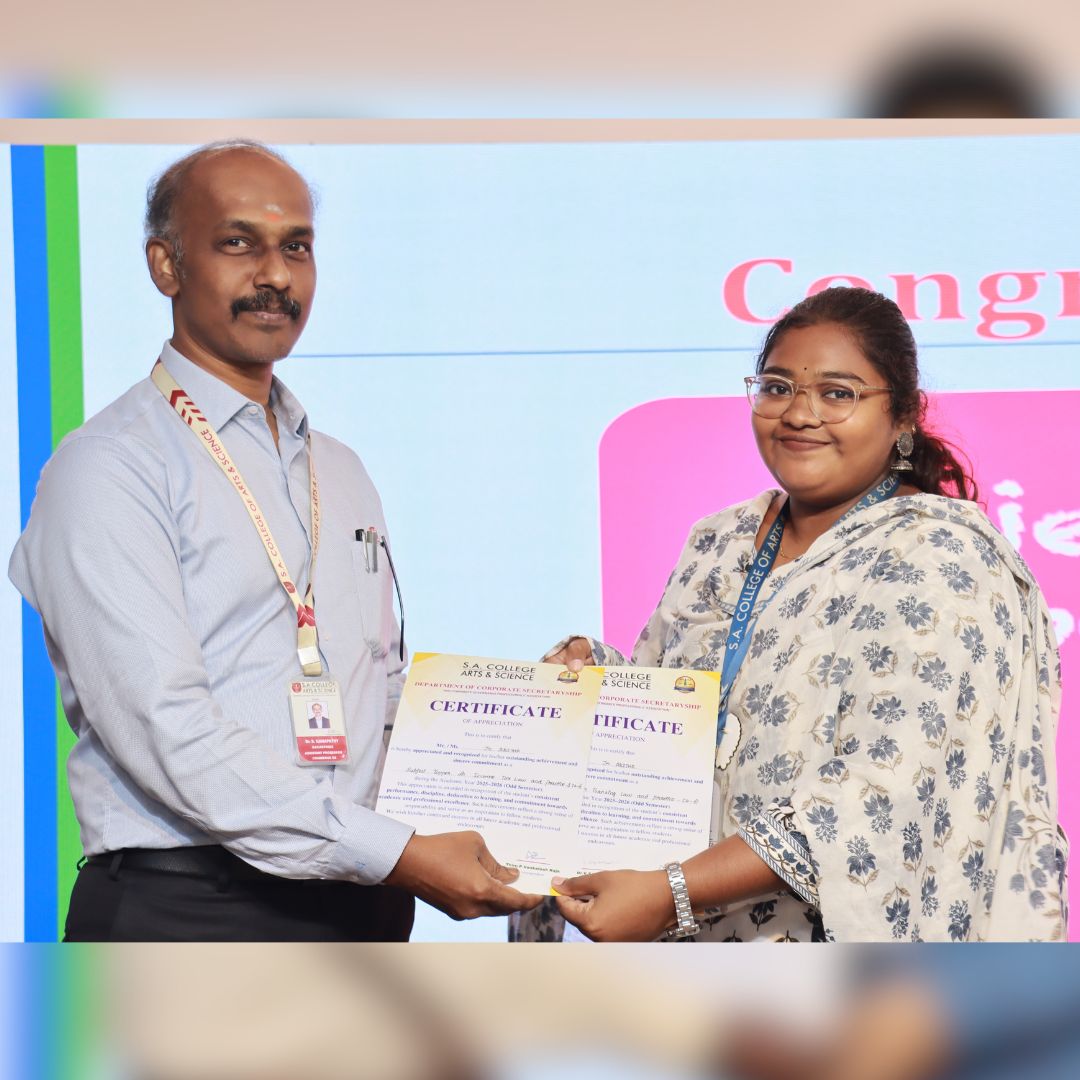
The session was inaugurated by Dr. S. Ganapathy, Head of the Department, who introduced the faculty members and honoured meritorious students. He explained the department’s best practices, value-added courses, internship opportunities, and placement achievements in reputed companies such as TCS and Sutherland. He also highlighted the importance of discipline, regular attendance, formal dress code, and responsible behaviour on campus.
Parents were informed about attendance rules, internal assessments, leave policies, and the role of internships in career growth. Mr. V. Sivaprakasam emphasized time management and self-discipline, while Dr. M. Suresh clarified attendance requirements. The programme concluded with parent feedback and a vote of thanks, marking a productive and informative session.

Department of Corporate Secretaryship, S.A. College of Arts and Science, organized an experiential learning programme on 19.01.2026
Smart Investing Through Experiential Learning at SACAS.
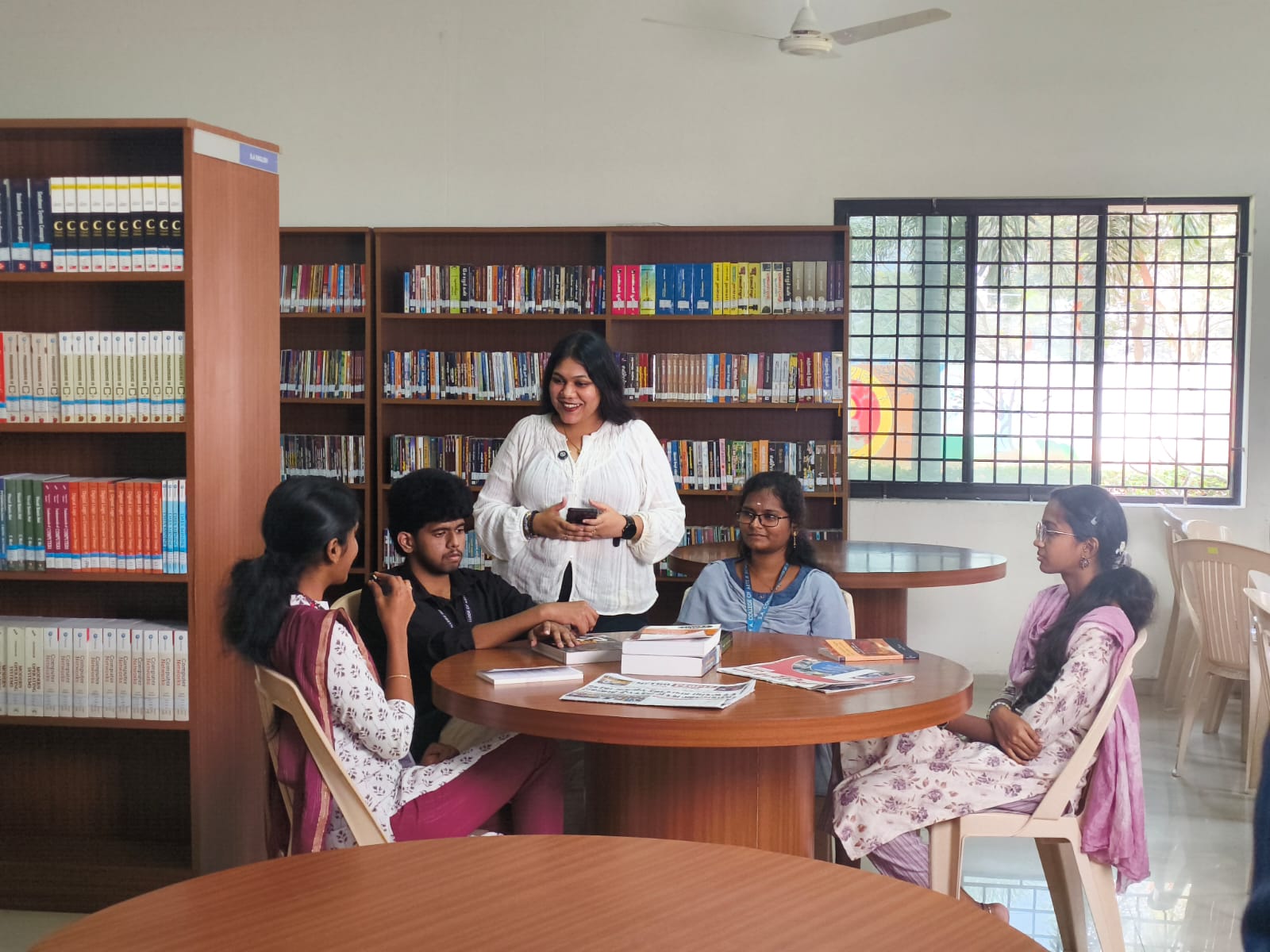
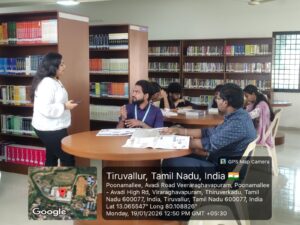
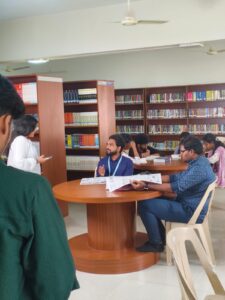
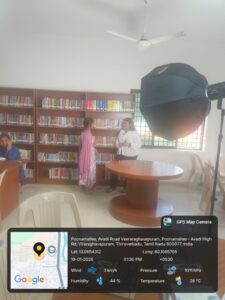
The Corporate Governance Professionals Association, under the Department of Corporate Secretaryship, S.A. College of Arts and Science, organized an experiential learning programme titled “Experimental Learning Impact Review on Smart Investing: Understanding Investor Choice” on 19 January 2026 at the college campus, Tiruverkadu, Chennai.
The programme was conducted in collaboration with Flattrade, Fortune Capital Services Pvt. Ltd. and focused on improving students’ understanding of smart and responsible investing. A special video-shooting session was held, featuring an interactive question-and-answer discussion between Flattrade professionals and students.
The discussion highlighted key aspects such as financial literacy, risk assessment before investing, portfolio diversification, market volatility, and precautions to avoid common investment scams. The session helped students gain practical insights into investor behaviour and informed decision-making.
A total of 17 students actively participated in the programme. The initiative successfully strengthened practical knowledge and promoted financial awareness through hands-on learning.
Department of Psychology, S.A. College of Arts & Science organized a one-day workshop on 19.01.2026
Building Mental Resilience: A Holistic Psychology Workshop at SACAS.
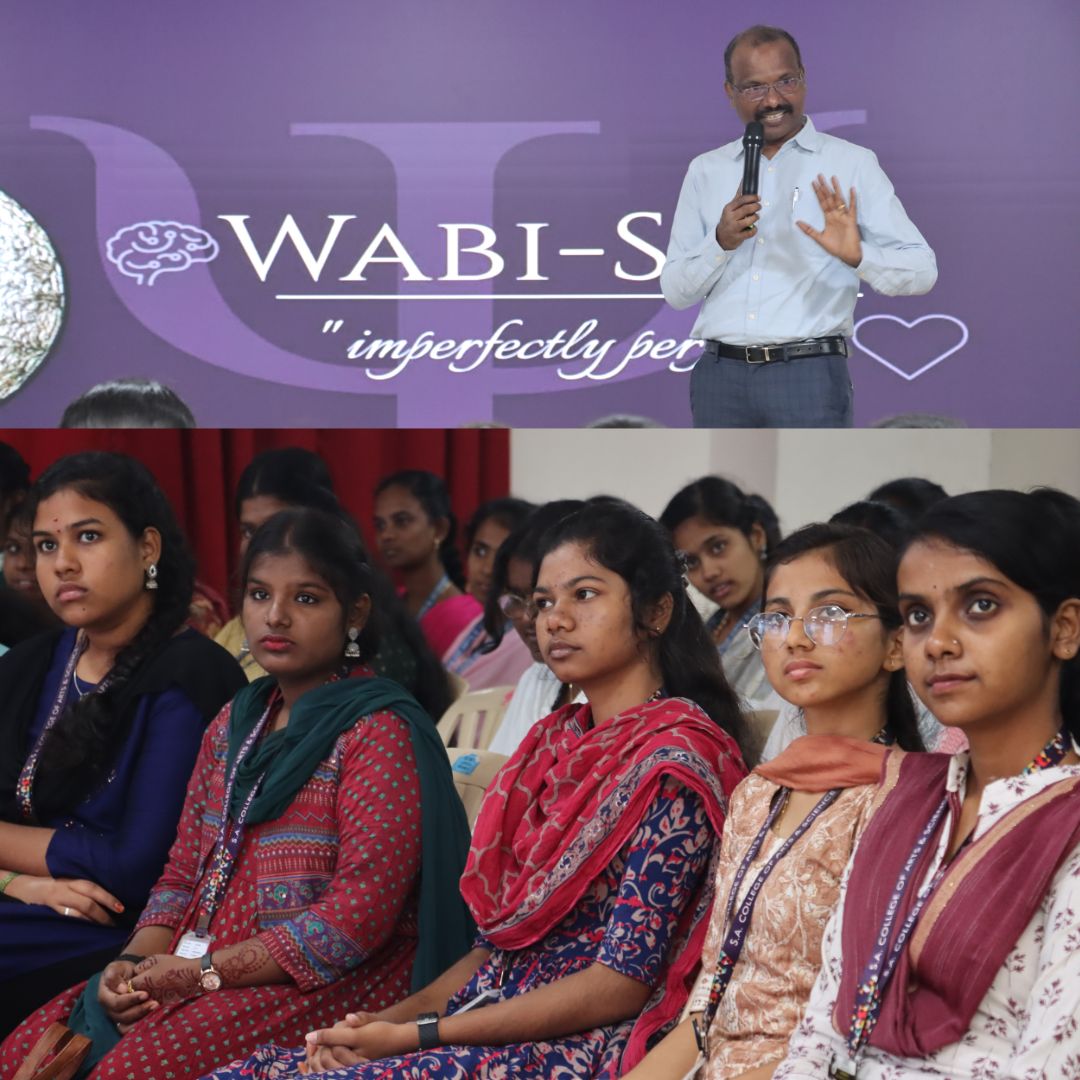
The Department of Psychology, S.A. College of Arts & Science organized a one-day workshop titled “Building Mental Resilience: Digital Detoxification and Psychological Oncology Perspectives” on 19 January 2026 at the SACAS Auditorium. The programme aimed to strengthen mental resilience by addressing modern psychological challenges related to digital dependency and cancer care.
The first session on Psychological Oncology was led by Mr. Surendar Veeraiah, who explained the emotional, cognitive, and social impact of cancer on patients and caregivers. He highlighted the importance of psychological support in coping with fear, anxiety, and stress. Ms. Revathi further discussed therapeutic approaches such as psychoeducation, Cognitive Behavioural Therapy, and relaxation techniques used in cancer care.
The second session on Digital Detoxification, handled by Ms. Subashree, focused on the effects of excessive digital use on mental health. She emphasized mindful technology use, digital balance, and practical strategies to improve emotional well-being. The workshop was informative, reflective, and highly beneficial for participants.





Department of Corporate Secretaryship Organize Mentorship Session Explores the Real World of Startups at SACAS on 05.01.2026
Mentorship Session Explores the Real World of Startups at SACAS.
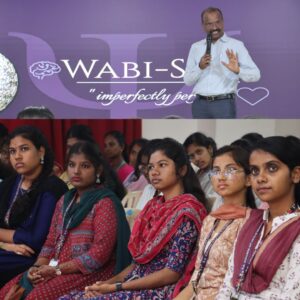
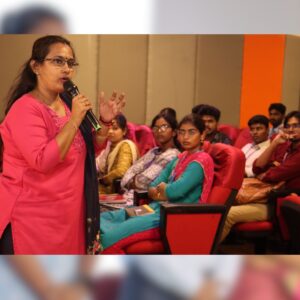
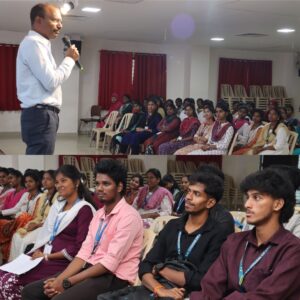
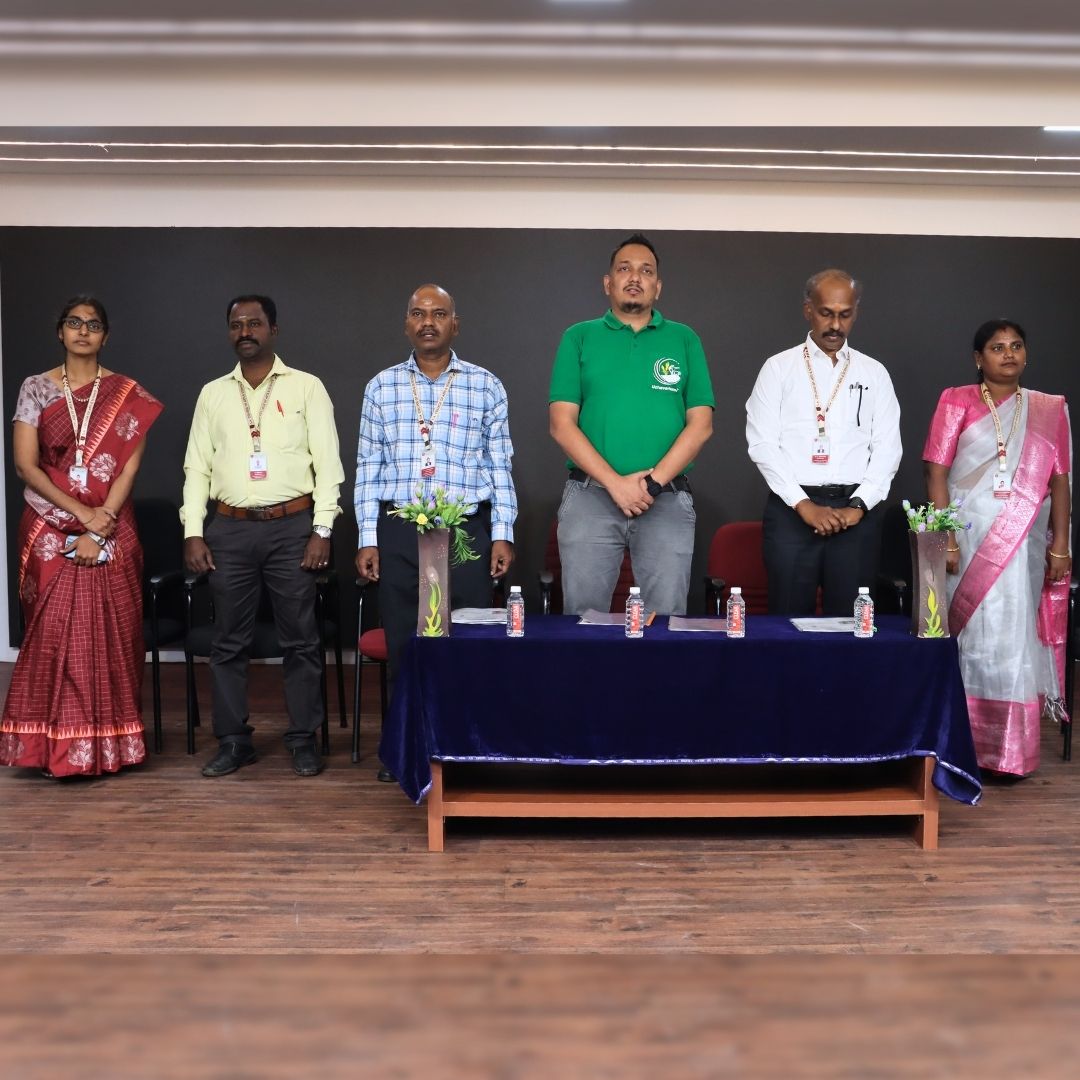
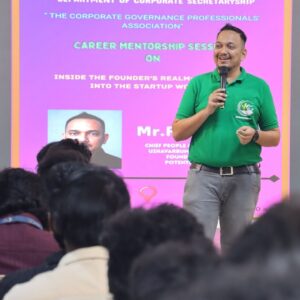
A Mentorship Session titled “Inside the Founder’s Realm: A Journey into the Startup World” was organized on 5th January 2026 at the SACAS Auditorium, S.A. College of Arts & Science, Thiruverakadu. The session was conducted by the Corporate Governance Professionals’ Association under the Department of Corporate Secretaryship. Mr. Ram Prasath Srinivasan, Chief People & Strategy Officer at Uzhavarbumi Agro Products Pvt. Ltd. and Founder & Advisor at Potential Partners, served as the resource person. A total of 186 students participated actively.
Mr. Ram Prasath delivered an interactive and informative talk, explaining startup realities, financial discipline, and the importance of governance. He highlighted the vital role of Company Secretaries from incorporation to dissolution and explained concepts such as OEM, MCA, DIN, KMP, AGM, and MOM in simple terms. He also emphasized the value of internships for gaining real-world exposure. The session provided practical insights and motivated students to prepare for industry-ready careers.



Department of Corporate Secretaryship Students visit Explore Innovation at IIT Madras Open House 2026 On 02.01.2026
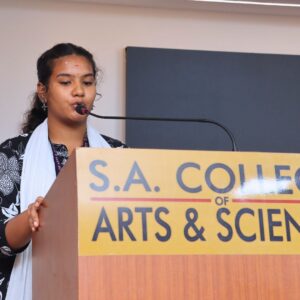
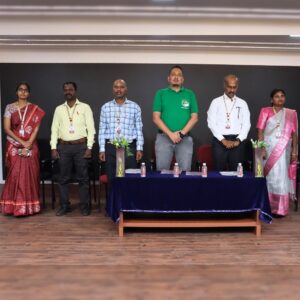
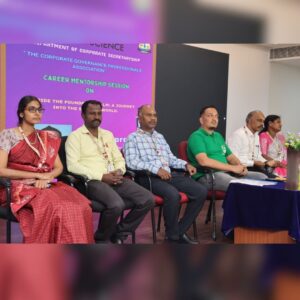
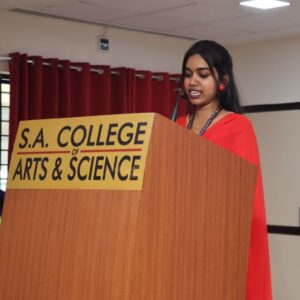
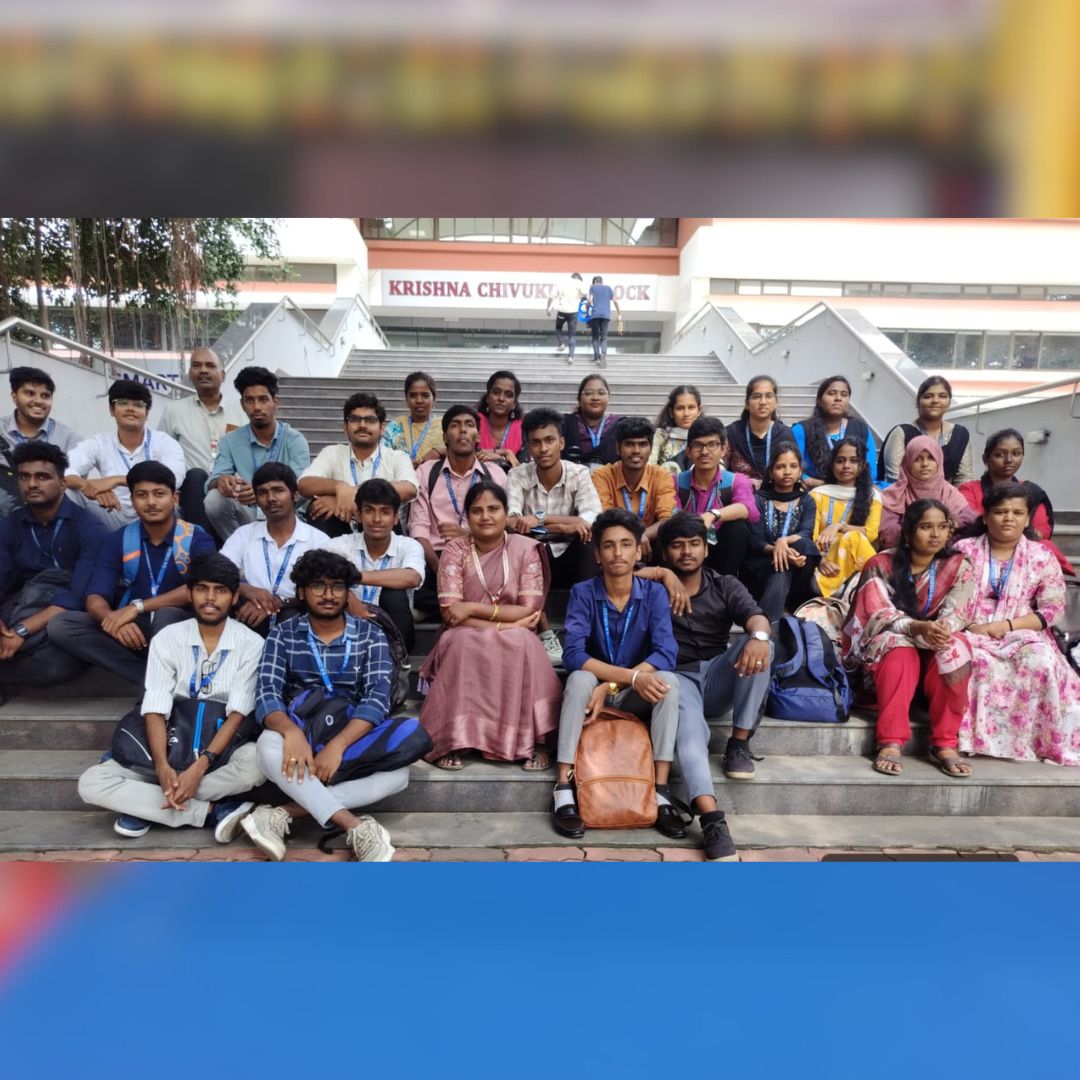
SACAS Students Explore Innovation at IIT Madras Open House 2026 On 2nd January 2026, final-year students of the Department of Corporate Secretaryship of S.A College of Arts & Science visited the Indian Institute of Technology Madras, Guindy, to attend the Shastra Institute Open House 2026. The visit took place from 9:00 a.m. to 12:30 p.m. and was organized to expose students to advanced technology and research-based learning.
During the visit, students gained valuable insights into emerging fields such as Artificial Intelligence and Data Science, Machine Learning and Neural Networks, Aerospace and Aeronautical Technology, and Defence Technology. A major attraction was the 360° Bridge Ship Simulator, which demonstrated the techniques used in controlling cruise ships and battleships.
The students were also introduced to various departments, research centres, laboratories, and modern facilities at IIT Madras. This helped them understand the importance of interdisciplinary learning and real-world technological applications. Overall, the visit was highly informative and inspiring. A total of 55 students actively participated and benefited from this educational exposure.


SACAS Golu Celebration on 25.09.2025
DAY - 4
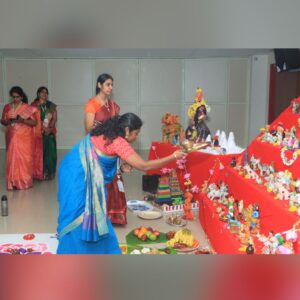
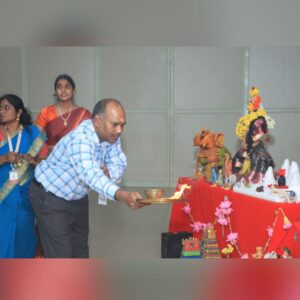
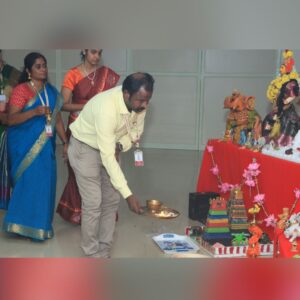
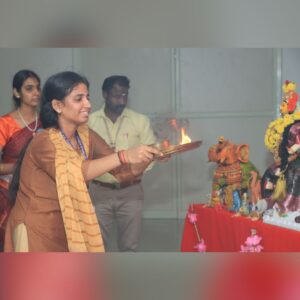
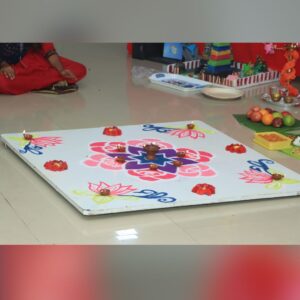
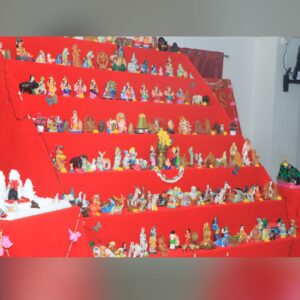
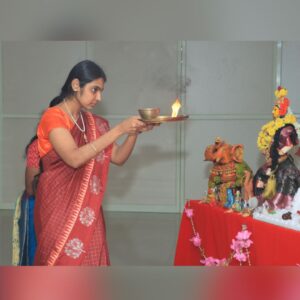
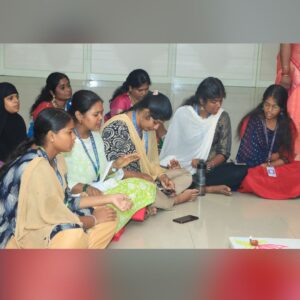
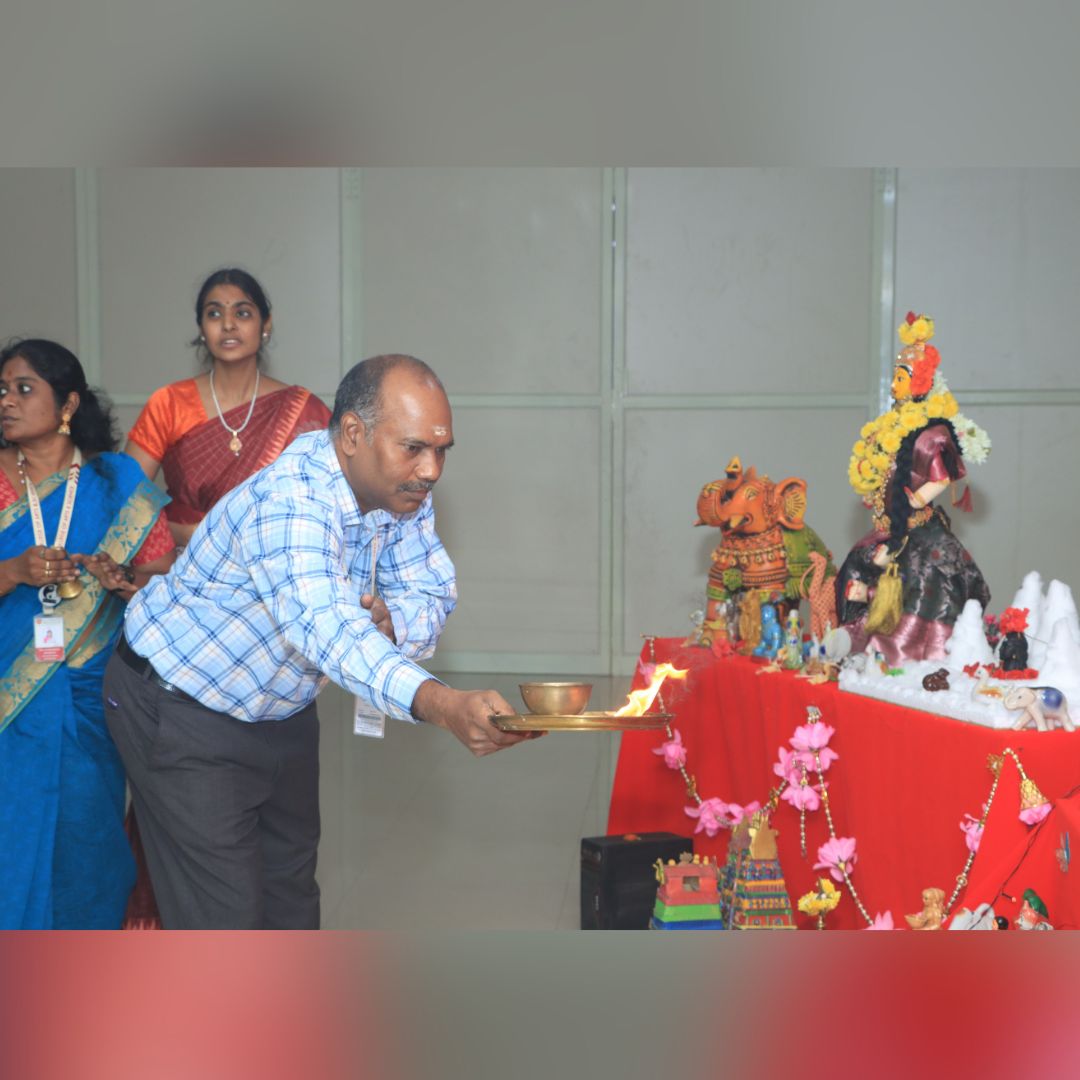
The fourth day of the Golu Celebration was jointly organized by the Department of Psychology and B.Com CS on campus. The event reflected the integration of tradition, devotion, and cultural wisdom, highlighting the significance of the Indian Knowledge System in fostering holistic learning and values. A soulful devotional song performance was presented by Mathisri, Sharmila, Kalaivani, Kousalya, and Haripriya from the Department of Psychology. Their melodious rendition created a serene spiritual ambience, invoking cultural pride and reverence for heritage. The celebration was aligned with the Sustainable Development Goals (SDGs),particularly:
- SDG 3 (Good Health and Well-being): Promoting mental and emotional wellness through cultural and spiritual practices.
- SDG 4 (Quality Education): Encouraging students to engage in holistic learning rooted in tradition.
- SDG 11 (Sustainable Cities and Communities): Preserving and promoting cultural practices for intergenerational harmony.
The event successfully demonstrated how festivals like Golu blend devotion, creativity, and learning, reaffirming the role of Indian cultural traditions in nurturing sustainable values and community well-being.